

Exploring the cosmos, decoding science, and sparking wonder - one post at a time. 🚀🔭
New York, USA
Joined April 2019
- Tweets779
- Following8
- Followers74.6K
- Likes15.9K



An experimental mRNA nasal therapy turns the lining of the nose into a protein factory to reverse memory loss in aged and Alzheimer's mice.
Brain-derived neurotrophic factor, or BDNF, is essential for keeping neurons alive and forming memories, yet its levels plummet during aging and Alzheimer's disease. Delivering BDNF as a standard drug has repeatedly failed because the protein breaks down rapidly in the bloodstream and cannot cross the protective blood-brain barrier.
To solve this, researchers led by M. Bergamasco packaged genetic instructions for BDNF inside tiny lipid nanoparticles and administered them as a nasal spray. Rather than forcing particles deep into the brain, the therapy programs nasal lining cells to manufacture fresh BDNF on site, which then travels along olfactory and trigeminal nerve pathways straight into the brain's memory centers.
Treated mice showed higher BDNF levels in the hippocampus and significant gains in learning and memory without causing inflammation. While human clinical trials are still ahead, this non-invasive strategy offers a promising new blueprint for delivering fragile restorative proteins directly to the aging brain.
Source Paper: M. Bergamasco, H. Scarborough, A. Ponta, et al. "Bdnf mRNA-LNP Drives Nasal Epithelial BDNF Production and Improves Cognition in Aged and Alzheimer's Disease Mouse Models." Advanced Science (2026): e78225. DOI: 10.1002/advs.78225

A mutated H1N1 influenza strain is driving an unusually early and intense flu season across the United States.
The Centers for Disease Control and Prevention reports that flu activity is currently elevated or actively growing in over 40 states. This surge has resulted in at least 1.7 million illnesses recorded so far this season. Influenza A is responsible for nearly all positive cases, with the A(H1N1)pdm09 subtype dominating the infections.
The predominant H1N1 virus circulating this year carries a specific genetic mutation known as G155E. This alteration changes how the virus interacts with the human immune system. Researchers indicate this mutation may allow the virus to partially bypass the immune defenses built up from previous infections or older vaccinations.
Epidemiologists note that teenagers and young adults under the age of 25 appear to have less residual immunity to this altered strain. The rapid accumulation of cases occurred early in the season before many individuals could receive their annual vaccinations. Despite this genetic shift, early clinical data suggests there is no evidence that the G155E mutation causes more severe illness than previous iterations of the virus.
Health officials confirm that the current seasonal flu vaccine still recognizes the circulating mutated virus and provides substantial protection against it. Immunologists emphasize that while the virus has adapted, the vaccine remains a critical tool for preventing severe respiratory complications and hospitalization. Taking standard preventive measures remains highly effective in slowing the spread of this seasonal outbreak.
Multiple Sources: Centers for Disease Control and Prevention, "Weekly US Influenza Surveillance Report: Key Updates for Week 44," FluView, November 13, 2026
Health and Me, "US Flu Cases Rising: What To Know About The New G155E H1N1 Mutation," November 10, 2026.

Researchers have engineered a revolutionary molecular tool that jams the internal mechanisms of prostate cancer cells to permanently halt tumor growth.
A scientific team at the University of Michigan has developed an entirely new class of therapeutics called domain alteration chimeras. This innovative approach forces disease driving proteins into mismatched partnerships that turn a tumor against its own biology. By rewiring these proteins, the treatment completely disables the ability of prostate cancer cells to multiply.
Prostate cancer relies heavily on specific protein complexes to survive and expand rapidly inside the body. Instead of simply blocking a single pathway, this newly developed molecule forcefully glues the androgen receptor to a secondary cellular protein. This unnatural locking mechanism destroys the internal structure of the cancer cell and causes the oncogenic system to collapse.
Laboratory results demonstrate that this customized molecule is roughly one thousand times more potent than standard clinical inhibitors. It successfully triggered deep tumor regressions in preclinical models and worked effectively against highly resistant cancer cell lines. This breakthrough paves the way for designing similar molecular tools to target other aggressive diseases while keeping surrounding healthy tissue completely safe.
Original Source: Luo, J., Yang, J., Tien, J.C.Y. et al. Domain-alteration chimeras rewire oncogenic complexes in prostate cancer. Nature, November 11, 2026. DOI: 10.1038/s41586-026-11262-4.

Managing high cholesterol typically requires taking daily medication for life, yet millions of people still struggle to keep their levels under control. A new study published in the journal Nature introduces a potential one-time alternative, showing that a single intravenous infusion can permanently switch off a cholesterol-raising gene in the liver.
To achieve this, researchers led by Taiji Mizoguchi targeted a liver gene called ANGPTL3. Normally, this gene acts like a natural brake that slows the body down from clearing harmful LDL cholesterol and triglycerides from the bloodstream.
Scientists have long known that people born with rare mutations that naturally disable this gene maintain remarkably low cholesterol and enjoy lifelong protection against heart disease. Replicating that protective trait became the main goal of this new therapy.
Instead of cutting DNA like traditional molecular scissors, the team used an advanced technique called CRISPR base editing. Functioning like a molecular pencil, the editor travels inside sugar-coated fat droplets to rewrite a single letter of the target gene's DNA code, turning off the protein without breaking the DNA strand.
In animal trials involving nonhuman primates, a single dose cut blood levels of the target protein by more than 90 percent. The resulting drop in cholesterol remained completely stable for three full years after the single treatment, with no signs of liver damage.
Following these promising results, the therapy has officially entered human clinical trials for patients with severe, treatment-resistant high cholesterol. If successful in people, this breakthrough could fundamentally shift heart care from lifelong daily pills to a single, lasting treatment.
Paper details: Taiji Mizoguchi et al., In Vivo CRISPR Base Editing of ANGPTL3 for Durable Lipid Lowering, Nature (2026). DOI: 10.1038/s41586-026-11233-9

Trillions of microbes live inside your large intestine, separated from your delicate gut wall by a thick shield of mucus. When your diet includes plenty of fiber, these bacteria feed on plant carbohydrates and leave that protective barrier intact.
In a 2026 study published in the Proceedings of the National Academy of Sciences, scientists Jenna E. AbuSalim and Joshua D. Rabinowitz found that fiber deprivation forces gut bacteria to switch fuel sources. When mice lacked dietary fiber, hungry microbes began breaking down the proteins inside their protective mucus lining, producing harmful compounds linked to kidney strain and poorer health outcomes.
Fortunately, whole plant foods provide a second layer of defense. Alongside fiber, many plants contain slow-digesting proteins that resist early breakdown and travel all the way to the colon. The researchers named these nutrients "Prif," short for proteins imitating fiber, because gut bacteria ferment them into beneficial compounds that support metabolic health.
To confirm that these chemical shifts truly came from gut microbes, the team paired this work with a companion 2026 study in Nature Metabolism. By analyzing germ-free mice and samples from patients taking antibiotics, the researchers separated bacterial signals from chemicals made naturally by human tissues.
Choosing whole plant foods does much more than keep digestion moving smoothly. It supplies both fiber and slow-digesting proteins so your gut bacteria protect your intestinal lining instead of consuming it.
Citations: J. E. AbuSalim, M. M. MacArthur, BM. Gupta, A. Roichman, C. J. Hunter, F. C. Keber, S. Chatterjee, M. Moussavi, J. Barouei, M. Wühr, D. Sulakhe, C. J. Lehmann, M. S. Donia, & J. D. Rabinowitz, Digestion-resistant proteins support the healthy metabolite profiles associated with plant-based diets, Proc. Natl. Acad. Sci. U.S.A. 123 (32) e2605226123, DOI: 10.1073/pnas.2605226123.
AbuSalim, J. E., Olszewski, K., Youssef, S. et al. Host metabolism can produce many indoles and phenols independently of the microbiome. Nat Metab 8, 1528–1544 (2026). DOI: 10.1038/s42255-026-01550-8

Surviving a first stroke leaves patients facing a high risk of a second attack, even while taking standard daily medications like aspirin. On November 9, 2026, the U.S. Food and Drug Administration approved Sunharbo, known scientifically as asundexian, a first-of-its-kind daily tablet that lowers the relative risk of a repeat clot-related stroke by 26 percent when added to standard antiplatelet therapy.
For decades, stronger blood thinners carried a dangerous catch because stopping brain clots also blocked normal wound healing, triggering severe internal bleeding. Asundexian breaks that trade-off by selectively targeting factor XIa, a single clotting protein that fuels dangerous blockages inside blood vessels while playing only a minor role in sealing everyday cuts. By quieting that protein, the pill protects the brain without disabling the body's natural bleeding defenses.
In the global OCEANIC-STROKE clinical trial of 12,327 stroke and mini-stroke survivors, adding asundexian reduced repeat ischemic strokes from 8.4 percent to 6.2 percent and cut disabling or fatal strokes by 31 percent, with no overall surge in major bleeding. Doctors note that the medication is approved specifically for non-cardioembolic strokes and requires careful medical supervision, particularly for adults over age 75.
Primary Source: Sharma M, et al. Asundexian for Secondary Stroke Prevention. New England Journal of Medicine. 2026;394:1467-1479. DOI: 10.1056/NEJMoa2513880
Secondary Source: U.S. Food and Drug Administration (FDA). "FDA Approves First Factor XIa Inhibitor to Help Prevent Stroke in Certain Adults at High Risk." FDA Press Announcements, November 9, 2026.

Telling someone to put on a happy face is classic advice for getting through a tough day, yet anyone working in customer service knows that faking a grin for hours is deeply exhausting. For years, psychologists were puzzled by the fact that laboratory experiments showed posing a smile makes people happier, while workplace studies found that smiling for a living leaves employees burned out. A new study from the University of Florida, published in the Journal of Experimental Social Psychology, resolves this mystery by showing how everyday workplace pressures reverse the emotional benefit of a smile.
To see how real-world conditions change the way we feel, psychologist Nicholas A. Coles and his team tested 1,174 participants who viewed unpleasant images while either reacting naturally or posing a smile. Some people only had to pose a single smile with no strings attached, while others had to force a smile ten times in a row or were warned that failing to smile properly could cost them two dollars of their six-dollar pay.
The results revealed a clear tipping point in how the brain responds to a fake grin. When people posed a single smile without any outside pressure, they felt a gentle boost in happiness. However, when participants were forced to smile repeatedly or under the threat of losing money, that positive feeling vanished and turned negative, leaving them far more irritated and unhappy than when they simply allowed themselves to frown.
These findings prove that the mood-boosting power of a smile depends heavily on personal freedom. While a voluntary, one-time smile can briefly lift your spirits, turning a warm expression into a repetitive, forced obligation strips away a person's sense of control, and the mental strain of pretending easily outweighs any comforting signal sent by the facial muscles.
Citation: Nicholas A. Coles, Annabel V. Dang, Joao Francisco Goes Braga Takayanagi. Smiling your way to happiness or misery? Experimental tests of competing perspectives. Journal of Experimental Social Psychology, 2027; 128: 105011. DOI: 10.1016/j.jesp.2026.105011

Osteoarthritis affects millions of people worldwide, wearing down the protective cushion of cartilage between bones and causing chronic pain. For years, medical trials have struggled to stop this damage because blocking just one inflammatory protein leaves others free to keep destroying the joint. Now, a study published in Science Translational Medicine reveals that an already approved blood thinner, dabigatran, can protect joints by shutting down the two primary drivers of arthritis inflammation at the exact same time.
During osteoarthritis, two powerful inflammatory messengers, TNF-alpha and IL-1beta, overwhelm cartilage cells and accelerate tissue breakdown. When researchers led by Wenyu Fu and Chuan-Ju Liu screened existing medications to find a compound capable of neutralizing both threats at once, dabigatran stood out. Tested in mice and monkeys with osteoarthritis, the drug eased joint pain, improved mobility, and preserved roughly 60 percent thicker cartilage in treated monkeys compared to untreated ones.
The team discovered that dabigatran achieves this by latching onto an internal cellular switch called BIG2, which controls the tiny receiving antennas on the surface of cartilage cells. Flipping this switch causes the cells to shed their surface antennas for TNF-alpha while pulling the antennas for IL-1beta inside the cell to be destroyed. Without these antennas, the cartilage cells become blind to both inflammatory signals, giving the tissue a chance to recover.
While doctors will not immediately prescribe a daily blood thinner for joint pain due to bleeding risks, uncovering this master switch provides a clear blueprint for future therapies. Researchers can now design localized joint injections or new targeted drugs that flip the exact same BIG2 switch to protect aging joints safely.
Reference article: Wenyu Fu et al., Dual inhibition of TNF-α and IL-1β signaling through BIG2 ameliorates osteoarthritis in mouse and primate models, Science Translational Medicine (2026). DOI: 10.1126/scitranslmed.aec8494

Researchers at Monash University have uncovered a single immune protein that acts as a hidden driver of physical organ aging. In a new study published in the journal Immunity, scientists led by Dinindu Kannangara and Professor Nicole La Gruta revealed that an enzyme called Granzyme K is directly responsible for the gradual stiffening and functional decline of vital organs as the body grows older.
While biologists have long known that aging immune cells release high amounts of this protein, this study proves it is an active culprit behind tissue damage rather than a harmless byproduct of getting older. When the team compared naturally aging mice with mice lacking Granzyme K, they discovered a remarkable separation between immune aging and organ health.
Even though the immune systems of the Granzyme K-free mice aged normally, their hearts, livers, and kidneys remained significantly healthier, showing far less tissue scarring and much stronger performance. Normally, excess Granzyme K leaks into healthy tissues and triggers chronic inflammation and fibrosis, which the researchers also confirmed in human tissue samples linked to heart failure and kidney disease.
Because removing this single protein protected multiple organs without weakening overall immunity, future drugs designed to block Granzyme K could offer a powerful way to keep vital organs young well into old age.
Study paper: Kannangara D, et. al, Granzyme K is a driver of age-related tissue remodelling and functional decline independently of age-associated immune dysfunction, Immunity (2026). DOI: 10.1016/j.immuni.2026.10.013.

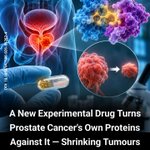
A new experimental drug turns prostate cancer's own proteins against it, shrinking tumours in preclinical tests. Instead of blocking or destroying the proteins that fuel cancer growth, scientists at the University of Michigan have created a molecule that physically rewires how they connect inside the cell. Published in the journal Nature, this breakthrough introduces a bold new class of medicine called Domain-Alteration Chimeras, or DALTACs.
Prostate cancer relies on a master protein called the androgen receptor, which teams up with a helper protein known as p300 to switch on tumour-driving genes. Aggressive tumours eventually outsmart standard drugs that block this receptor, and destroying an essential helper protein like p300 across the entire body causes severe collateral damage to healthy organs.
To bypass both problems, researchers designed a dual-headed molecule that acts like a wrench thrown between two moving gears. Rather than demolishing the proteins, the drug grabs both at once and locks them together in an awkward, unnatural position. This forced grip jams the cancer cell's genetic control centre, shutting down tumour growth on the spot. Because the drug needs the prostate cancer receptor to trap the helper protein, its attack stays strictly confined to tumour cells while sparing healthy tissue.
Designed to be taken as a simple oral pill, this therapy triggered dramatic tumour shrinkage in laboratory models of treatment-resistant prostate cancer with zero noticeable toxicity. By turning a tumour's own survival machinery into a weapon against itself, this discovery opens a powerful new path for defeating treatment-resistant cancers.
Study details: Luo, J., Yang, J., Tien, J. CY, et al. Domain-alteration chimeras rewire oncogenic complexes in prostate cancer. Nature (2026). DOI: 10.1038/s41586-026-11262-4

Scientists have developed an innovative electronic comb called “Detangle” that could offer a completely new approach to treating androgenetic alopecia, the most common form of hereditary hair loss affecting both men and women.
Unlike an ordinary comb, this experimental device uses tiny electrical pulses to deliver therapeutic genetic materials deep into hair follicles, targeting two important processes associated with hair loss.
One component is designed to encourage the formation of new blood vessels around hair follicles, improving their blood supply. Another targets an enzyme involved in producing dihydrotestosterone (DHT), a hormone that contributes to the gradual shrinking of susceptible hair follicles.
And the results are remarkable!
In experiments involving mice with experimentally induced pattern hair loss, the electronic comb restored hair coverage across nearly 100% of the treated area within just 28 days.
For comparison, mice treated with conventional topical minoxidil achieved approximately 70% restoration in the same experimental model.
The researchers believe that combining electrical stimulation with targeted delivery of therapeutic molecules could make hair-loss treatment more effective by reaching deeper into hair follicles.
However, there is an important limitation: these impressive results have so far been demonstrated in mice, not humans. Human clinical trials are still needed to establish whether this technology can safely and effectively treat baldness in people.
Nevertheless, the discovery opens an exciting new direction in hair-regrowth research.
Original Citation: Feng Liu et al., Combing-triggered electrostimulation synchronizing deep delivery for rapid hair regrowth in androgenetic alopecia, Nature Communications (2026). DOI: 10.1038/s41467-026-79122-3

High blood pressure is usually treated as a lifelong condition requiring endless daily medication, yet roughly one in ten cases is actually driven by a treatable hormonal glitch. In this condition, known as primary aldosteronism, tiny benign cell clusters in the adrenal glands release too much of a hormone called aldosterone, which forces the body to retain salt and water. Until recently, the only permanent cure was surgical removal of the adrenal gland, leaving most patients dependent on daily pills for life.
A new study published in the New England Journal of Medicine by researchers at Queen Mary University of London shows that a temporary course of an oral drug called baxdrostat may achieve a lasting cure without surgery. Rather than merely blocking the hormone in the bloodstream, baxdrostat shuts down the exact enzyme the adrenal glands use to manufacture aldosterone. When fourteen patients took the medication for six to twelve months and then stopped completely, both their hormone levels and blood pressure stayed low for up to two years, with nearly a quarter of them needing no blood pressure medication at all.
Scientists believe that starving these overactive adrenal cells of their ability to make hormones for several months causes the rogue clusters to shrink and vanish. While this initial study involved a small group of patients, a larger clinical trial called ELIXIR is now underway using advanced medical scans to confirm whether a few months of tablets can permanently replace surgery for millions of people worldwide.
Citation: Hyperaldosteronism remission after extended aldosterone synthase inhibition, New England Journal of Medicine (2026). DOI: 10.1056/NEJMc2611265

Emergency public health spending is often viewed as a heavy financial burden, yet new data reveals that rapid vaccine innovation is one of the highest-yielding investments in human history. A global study published in PLOS Medicine by researchers from the London School of Hygiene and Tropical Medicine, Imperial College London, and New York University evaluated the exact financial and health return of the COVID-19 vaccination rollout across 173 countries during its first year, from December 2020 to December 2021.
The research team found that the world spent approximately 79.4 billion dollars on research, manufacturing, advance purchasing, and delivery for the initial wave of vaccines. In return, that twelve-month immunization effort prevented 1.5 billion infections and 51.5 million hospitalizations worldwide. When accounting for saved lives, preserved work productivity, and 221 billion dollars in avoided hospital care, the rollout generated between 6.43 trillion and 64.3 trillion dollars in global value. Put simply, every single dollar invested in COVID-19 vaccines returned between 60 and 809 dollars in economic and health benefits.
While wealthier nations captured the highest overall monetary returns due to earlier vaccine access, lower-income countries experienced the greatest relief in avoided medical expenses and protected workforces relative to the size of their local economies. Led by researchers Hallie Benjamin, Gregory Barnsley, Oliver J. Watson, and Mark Jit, the analysis proves that funding rapid vaccine science and ensuring fair global distribution is both a life-saving necessity and an extraordinary economic safeguard against future pandemics.
Paper details: Benjamin H, Barnsley G, Watson OJ, Jit M (2026) Global return-on-investment of COVID-19 vaccines in the first year of the vaccination programme: A model-based economic evaluation. PLOS Medicine 23(11): e1004772. DOI: 10.1371/journal.pmed.1004772

Every living thing on Earth relies on the exact same five-letter chemical alphabet (adenine, guanine, cytosine, thymine, and uracil)to build DNA and RNA. A landmark study published in Nature Astronomy by Toshiki Koga, Yasuhiro Oba, Yoshinori Takano, and their colleagues has now confirmed that all five of these essential genetic building blocks exist together inside a single pristine space rock: the ancient asteroid Ryugu.
Unlike meteorites that crash into Earth and risk getting contaminated by terrestrial microbes, Ryugu's dark pebbles were collected directly in deep space by Japan's Hayabusa2 spacecraft and sealed in airtight capsules. By analyzing intact rock fragments with ultra-sensitive equipment, the team unlocked the complete five-part genetic toolkit along with non-biological twin molecules, proving these compounds were forged through lifeless cosmic chemistry rather than alien biology. Even more intriguing, while other space rocks like the asteroid Bennu show heavily lopsided mixtures of these bases, Ryugu holds a nearly perfect balance of the two main chemical families -- a puzzle tied to the specific blend of liquid water and ammonia that once flowed inside the asteroid billions of years ago.
This discovery reveals that our solar system was naturally manufacturing the complete chemical alphabet of life inside freezing interstellar clouds and dark asteroids before Earth even finished forming. As rocks like Ryugu bombarded the young Earth, they seeded our primordial oceans with ready-made genetic ingredients, shifting the ultimate mystery from where the building blocks of life came from to how our planet first sparked them into a living cell.
Source article: Koga, T., Oba, Y., Takano, Y. et al. A complete set of canonical nucleobases in the carbonaceous asteroid (162173) Ryugu. Nat Astron 10, 655–663 (2026). DOI: 10.1038/s41550-026-02791-z

Heart disease was long considered a condition where medication could only slow down future artery blockages rather than undo existing damage. A clinical trial published in JAMA Cardiology now shows that aggressive cholesterol-lowering treatment can actively reverse plaque buildup across the heart's entire blood vessel network.
Researchers led by Martin Bødtker Mortensen tracked 104 newly diagnosed heart patients over 18 months using detailed 3D heart scans. Patients who took a powerful two-drug combination of rosuvastatin and ezetimibe slashed their bad cholesterol by 65 percent, shrinking their total artery plaque by more than 21 percent. Most impressively, the soft, fatty deposits - the unstable kind most likely to rupture and cause a sudden heart attack - dropped by 28 percent. Nearly every patient on the dual therapy saw this dangerous soft plaque retreat, leaving the remaining artery walls firmer and much more stable.
Starting early with a strong combination of standard, widely available medications does far more than just protect the heart from future harm. It actively clears out vulnerable fatty buildup and helps restore healthier arteries without relying solely on invasive procedures.
Paper reference: Martin Bødtker Mortensen et al., Intensive vs More Intensive Lipid-Lowering Therapy and Plaque Regression in Statin-Naive Patients, JAMA Cardiology (2026). DOI: 10.1001/jamacardio.2026.4788

Replacing ordinary table salt with potassium-enriched salt could prevent nearly three million deaths worldwide every year. A new global study published in the journal Nature Health highlights how this simple swap in the kitchen across 193 countries could dramatically reduce rates of heart and kidney disease.
High blood pressure affects 1.4 billion adults globally and is fueled by modern diets that contain too much sodium and too little potassium. Potassium-enriched salt solves both issues at once by replacing a portion of regular sodium chloride with potassium chloride, a safe mineral alternative that looks, tastes, and cooks just like normal salt.
Researchers at The George Institute for Global Health found that a complete worldwide switch in both home cooking and commercial food production would prevent 2.96 million deaths and over 10 million cases of cardiovascular and kidney disease annually. Even switching household cooking salt alone would save 1.85 million lives a year, including nearly 400,000 lives annually in India. While people with advanced kidney disease must be cautious with potassium intake, the study confirmed that the life-saving drop in blood pressure outweighs potential risks by more than seven to one, making potassium-enriched salt one of the simplest and most effective public health tools available today.
Paper details: Huang, L., Xu, X., Matsushita, K. et al. Global health outcomes from replacing dietary sodium chloride with potassium-enriched salt. Nature Health (2026). DOI: 10.1038/s44360-026-00216-9

Roughly 240 million teenagers around the world go through an entire week without a single day of proper physical exercise. Analyzing data from 3.2 million students aged 11 to 17 across 140 countries, researchers from the World Health Organization and the University of Edinburgh found that 86 percent of adolescents fail to get the recommended 60 minutes of daily physical activity. Even more concerning, a full 25 percent of teenagers globally report zero active days in a typical week, depriving their growing bodies of movement essential for strong bones, heart health, and mental well-being.
This inactivity crisis hits teenage girls the hardest across every region of the world. Globally, 28 percent of girls experience zero active days per week compared to 22 percent of boys, driven by safety concerns, cultural barriers, and fewer opportunities to join community sports. Because global activity levels have barely shifted since 2010, not a single country is on track to meet the 2030 global target of reducing physical inactivity by 15 percent.
Reversing this trend requires much more than simply advising teenagers to spend less time on their screens. The researchers emphasize that schools and communities must build environments that make daily movement effortless, from safe walking and cycling routes to inclusive sports programs designed to get young people (especially girls) moving again.
Citation: Strain T, Flaxman S, Ricardo L et al. National, regional, and global trends in adolescent physical activity from 2010 to 2025: a pooled analysis of 389 surveys with 3·2 million participants from 140 countries, The Lancet Global Health, 2026; DOI: 10.1016/j.langlo.2026.104099

Conventional cancer treatments like chemotherapy and radiation destroy rapidly dividing cells, a forceful approach that inevitably harms healthy tissue alongside the tumor. Researchers at the Korea Advanced Institute of Science and Technology (KAIST), led by Professor Kwang-Hyun Cho, have now demonstrated a gentler alternative that reprograms colorectal cancer cells back into normal-like intestinal cells without killing them.
Published in Advanced Science, the team developed a computer modeling tool called BENEIN to map the complex genetic circuits that guide young intestinal cells into healthy maturity. In cancer, this circuit gets stuck, locking cells into endless division. By building a digital twin of the gene network, the researchers identified three master switches (MYB, HDAC2, and FOXA2) that act together to trap colorectal cells in a malignant state.
When the scientists simultaneously switched off all three genes in human cancer cells and mouse tumors, the malignancy reversed. The cells shut down their aggressive growth signals, shrank in tumor size, and reactivated the genetic behavior of healthy intestinal tissue. By targeting the exact switches that control cell identity rather than using toxic chemicals to kill cells outright, this breakthrough opens the door to future cancer therapies with minimal side effects.
Research paper: Gong, J.-R., Lee, C.-K., Kim, H.-M., Kim, J., Jeon, J., Park, S., & Cho, K.-H. (2025). Control of Cellular Differentiation Trajectories for Cancer Reversion. Advanced Science, 12, 2402132. DOI: 10.1002/advs.202402132

Shifting your bedtime to an earlier hour may be an unexpected secret to shedding extra weight, even if the total number of hours you sleep stays the same. Most health advice for managing weight and preventing type 2 diabetes focuses on eating well, exercising regularly, and getting enough hours of rest. However, new clinical research shows that the actual time of night you fall asleep plays its own distinct role in how the body manages weight.
A research team led by Susan Kohl Malone recently explored this link in an eight-week clinical trial published in the journal Nursing Research. The study followed 196 adults living with prediabetes who routinely got too little sleep. All participants received one-on-one video coaching focused on healthier eating and daily physical activity, while half of the group also received specialized sleep coaching designed to gradually move their bedtimes earlier by 15 minutes each week. Using wearable wrist sensors to monitor sleep schedules and continuous glucose monitors to track blood sugar, the researchers measured how these changes affected overall metabolic health.
At the end of the eight weeks, adding sleep coaching did not create a bigger drop in daily blood sugar levels compared to diet and exercise alone, as both groups slept slightly longer and lost a modest amount of weight. Yet the group trained in sleep habits experienced much better sleep quality and felt far more alert during the day. Even more fascinating was a pattern that emerged across the entire study population: regardless of which group they were in or how many total hours they slept, participants who started falling asleep earlier at night lost significantly more weight than those who stayed up late.
This discovery points to our internal biological clock as an overlooked factor in everyday weight management. Falling asleep earlier helps align our rest with natural circadian rhythms, which can curb late-night snacking and keep appetite hormones in check in ways that simply sleeping in later cannot replicate. For anyone working to improve their metabolic health, pairing a balanced diet and regular movement with a bedtime that starts just 15 to 30 minutes earlier could make weight loss much more achievable.
Article citation: Susan Kohl Malone et al., Randomized Controlled Trial of Lifestyle Plus Sleep Extension Intervention on Adults With Prediabetes and Short Sleep, Nursing Research (2026). DOI: 10.1097/nnr.0000000000000957

People who survive a brush with death often return with vivid memories of otherworldly environments, yet they almost always struggle to describe what they saw using everyday words. To overcome the limits of spoken language, an international team of researchers asked 50 people who experienced a near-death event to sit down and sketch the exact geometry of the spaces they entered. Published in the journal Frontiers in Psychology by France Lerner, Paulo Cezar Rocha dos Santos, and Guillaume Tahar, this landmark study mapped 108 distinct visual scenes and uncovered a hidden architectural blueprint inside the human mind.
As the researchers measured the angles and boundaries of every drawing, they noticed that four specific shapes kept showing up across completely independent accounts. Survivors consistently sketched narrow tunnels, wide archways, gently curved spaces, and immersive, sphere-like bubbles that wrapped completely around their point of view. Even when separated by personal background and culture, the participants' brains constructed their near-death environments using these exact same geometric structures, moving from tight pathways into vast, panoramic enclosures.
The strangest finding emerged when the scientists compared the shape of each space to the colors people perceived inside them. Tunnels were almost always colorless, with 22 out of 28 tunnel scenes experienced entirely in stark shades of black, white, and gray light. In dramatic contrast, the wide archways were almost always full of vibrant color, appearing in 27 out of 31 scenes. Gently curved spaces and full spherical bubbles also frequently featured rich, luminous hues, showing that color perception in these states is tightly bound to the geometry of the visual field.
This striking pattern reveals that near-death visions are far from random or chaotic hallucinations. Instead, they follow strict rules tied to how our visual system is wired. When the brain faces a severe physiological crisis, basic visual processing creates narrow, colorless tunnel vision focused purely on light and dark contrast. As the internal experience expands into wide archways and 360-degree spheres, deeper neural networks responsible for spatial awareness and full-spectrum color appear to come online, shaping one of humanity's most profound perceptual mysteries.
Publication details: Lerner F, dos Santos PCR and Tahar G (2026) The perceptual geometry and chromaticity of near-death experience spaces. Front. Psychol. 17:1760389. DOI: 10.3389/fpsyg.2026.1760389
